




Japanese strawberries (いちご, ichigo) are premium strawberries widely hailed as the world’s best for flavor and craftsmanship. They come in three colors — red, pink and white — and the variety Thais know best is Amaou, the “king of sweetness” from Fukuoka. They’re shipped to Thailand from November to February and cost many times more than ordinary strawberries, because they’re grown with meticulous care and graded one berry at a time.
This article takes a close look at Japanese strawberries: the popular red varieties, the rare white and pink ones, why they’re so expensive, and how Japanese people enjoy them. For an overview of strawberries from every country, their nutrition, and how to choose, wash and store them, read our main article, Everything you need to know about strawberries.
What Makes Japanese Strawberries So Special?
In Japan, strawberries (いちご) aren’t just fruit — they’re part of a gift-giving culture. A box of beautiful fruit is a present with real emotional value, so farmers compete to develop their own prefecture’s signature varieties. Japan now has hundreds of registered strawberry varieties, among the most of any country in the world.
- Grown in fully controlled greenhouses — temperature, humidity, fertilizer and even the number of berries per plant are managed so each one reaches full sweetness
- Hand-picked one by one at peak ripeness — not picked early and left to ripen in the box like industrially grown strawberries
- Graded berry by berry — size, shape, color and sweetness (measured in Brix) must all meet the standard before a berry makes it into a gift-grade box
- Shipped by air — they reach Thailand within a few days of harvest, with their fragrance fully intact
Popular Red Varieties
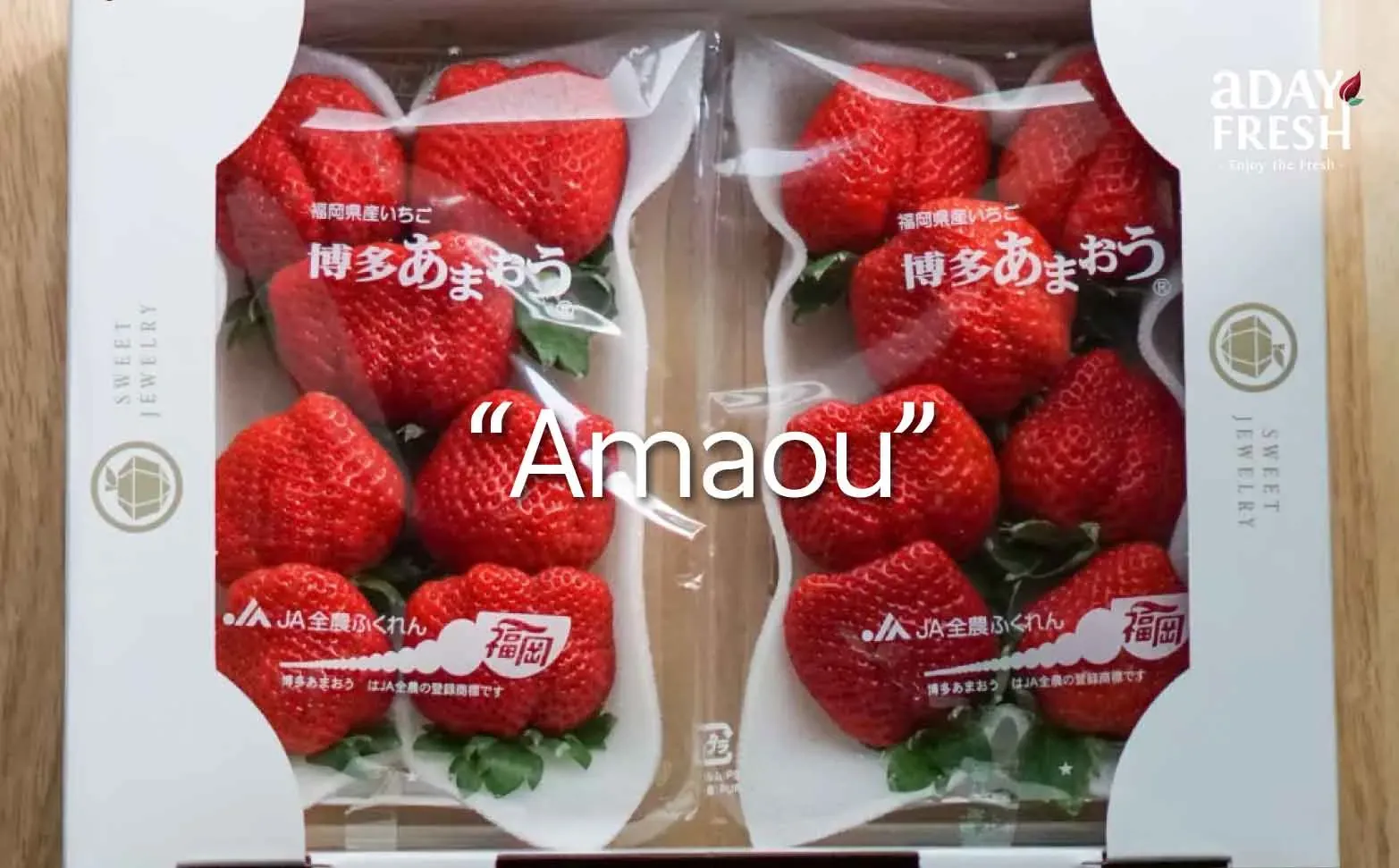
1. Amaou (あまおう) — the best-selling variety, from Fukuoka Prefecture. Its name is built from four words: Amai (sweet) · Marui (round) · Ookii (big) · Umai (delicious). Large and deep red, with firm, juicy, sweet flesh and just a hint of tartness at the finish, it’s what most Thais picture when they hear “Japanese strawberry.”
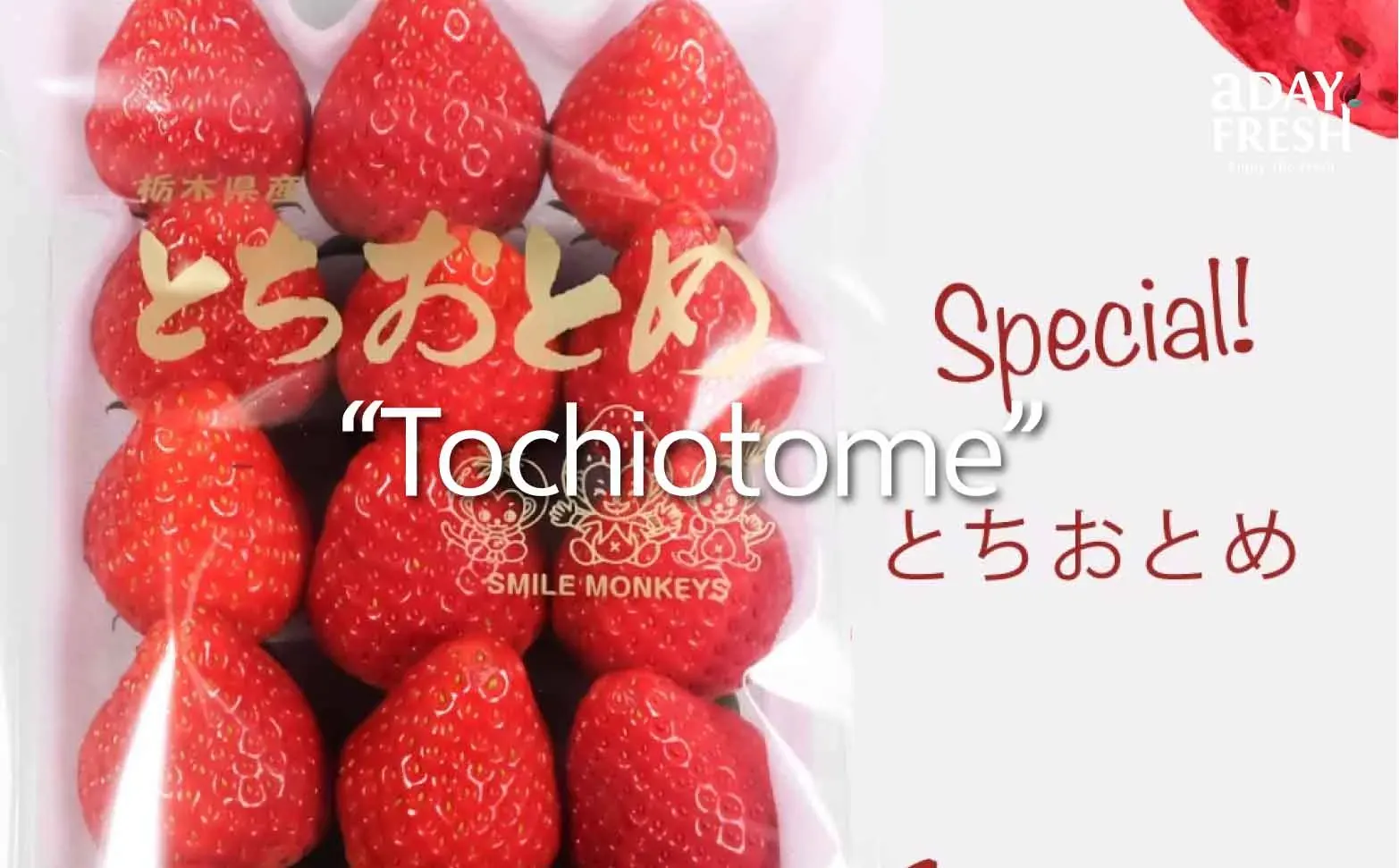
2. Tochiotome (とちおとめ) — the flagship variety of Tochigi, Japan’s top strawberry-producing prefecture for decades. Medium-sized and bright red, it has sweetness up front followed by a touch of tartness — very well balanced. It’s more affordable than Amaou, making it a great place to start if you want to try Japanese strawberries.
3. Beni Hoppe (紅ほっぺ) — from Shizuoka Prefecture; the name means “red cheeks.” The berries are elongated, with a bold sweet-tart flavor and a strong aroma. Japanese bakers love it because its flavor holds its own against cream.
4. Skyberry (スカイベリー) — a newer premium variety from Tochigi. Its selling point is its exceptionally large size and beautiful shape, with juicy, delicate flesh. It’s usually sold in gift boxes with the berries neatly lined up.
White and Pink Varieties: How Rare Are They?
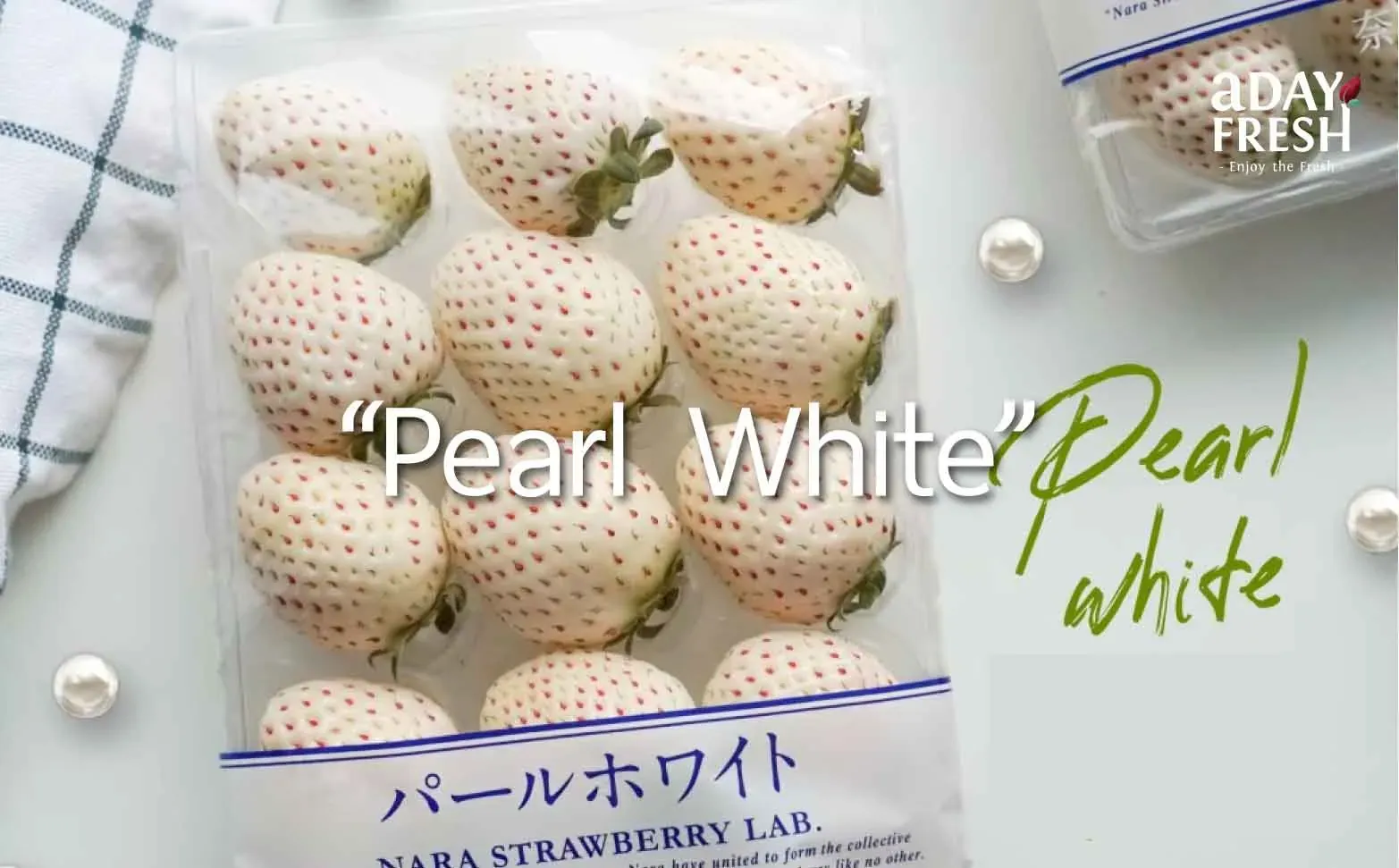
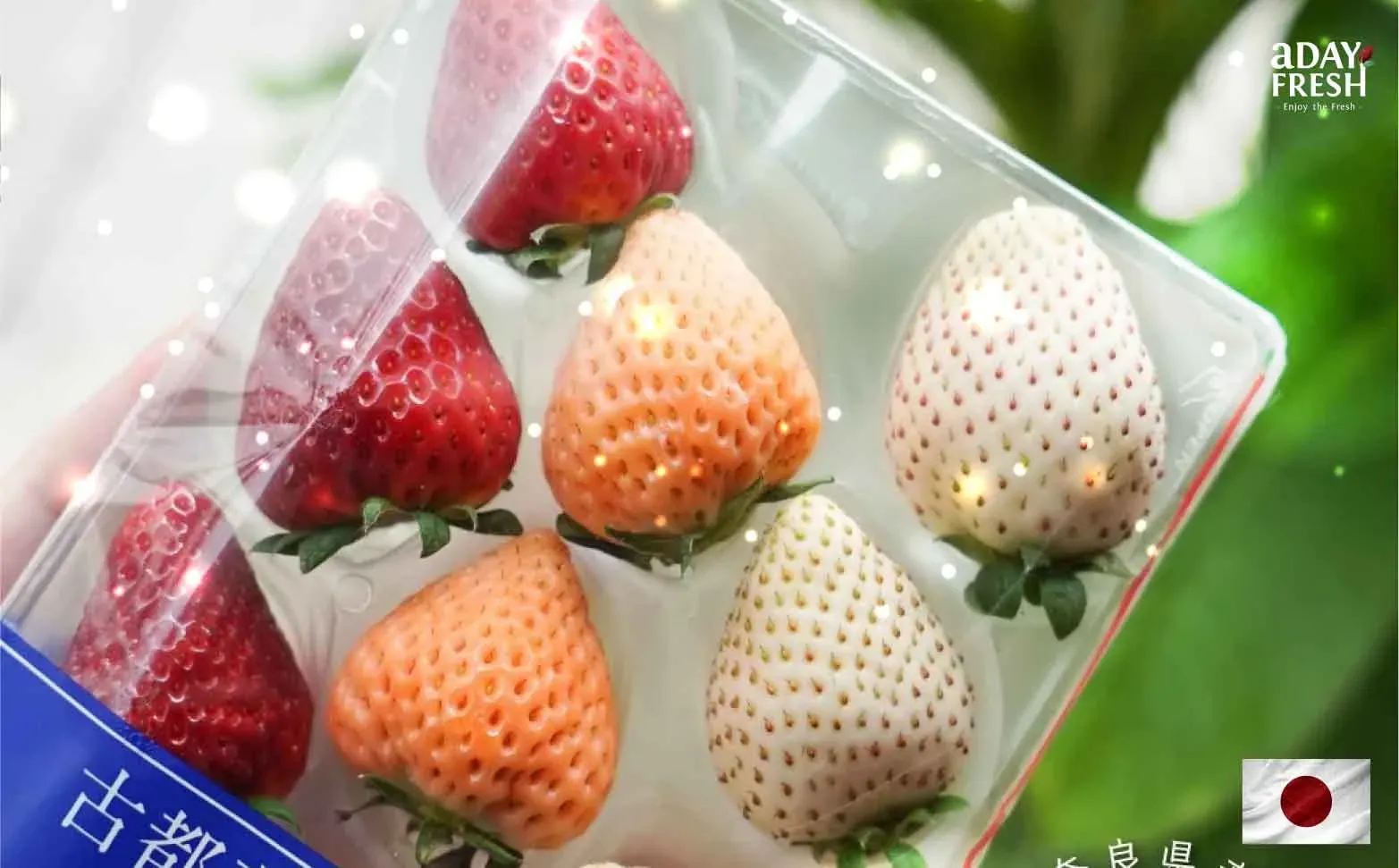
White strawberries such as Pearl White and Shiroi Houseki (白い宝石, “white jewel”) aren’t faded red strawberries. They’re varieties deliberately bred to produce very little red pigment (anthocyanin). They need specially controlled light and yield little fruit per plant, so they cost roughly twice as much as red varieties, if not more. The flavor is mellow and sweet with a faint pineapple-like aroma — which is why some varieties are called “pineberries.”
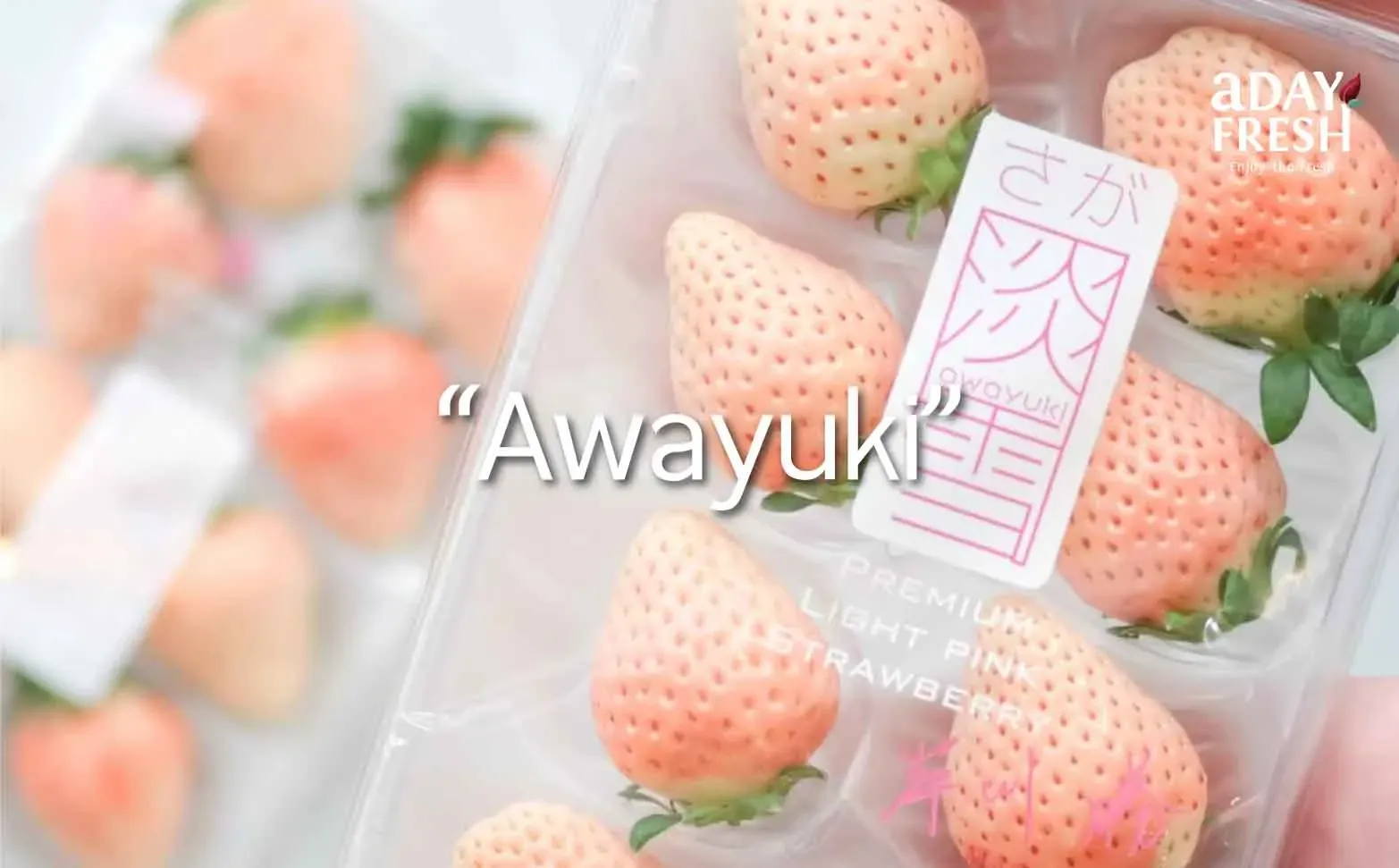
Awayuki (淡雪, “light snow”) — a pale pink variety that only licensed farms are allowed to grow. The berries are pastel pink all over and very sweet with almost no tartness. It’s a popular gift, and in recent years it has started arriving in Thailand during the cool season.
Famous Japanese Varieties Compared
| Variety | Color | Flavor | Where it’s grown |
|---|---|---|---|
| Amaou | Deep red | Sweet and juicy, low acidity, large and round | Fukuoka |
| Tochiotome | Bright red | Balanced sweet-tart, medium-sized | Tochigi |
| Beni Hoppe | Bright red, elongated | Bold, aromatic, great for desserts | Shizuoka |
| Skyberry | Red, extra large | Juicy, delicate, gift grade | Tochigi |
| Pearl White / Shiroi Houseki | White | Mellow sweetness, pineapple-like aroma | Several prefectures (small yields) |
| Awayuki | Pastel pink | Very sweet, barely tart | Licensed farms only |
When Are Japanese Strawberries in Thailand, and Why Are They So Expensive?
Japanese strawberry season is winter, so they arrive in Thailand from November to February (sometimes into March) — the same time as Korean strawberries. The prices, though, are very different. Japanese strawberries cost more because of meticulous growing, berry-by-berry grading and air freight; some gift-grade boxes run into the thousands of baht for a single pack.
For tips on choosing, see the main article (the section on picking sweet, juicy strawberries). The same rules apply: even color, fresh green leaves, taut glossy skin — and always check the bottom of the box.
How Do Japanese People Eat Strawberries?
- Fresh and whole — Japanese varieties are sweet enough without condensed milk. Start at the stem end and work toward the tip, which is the sweetest part, so you save the best bite for last
- Ichigo daifuku — mochi filled with red bean paste and a whole strawberry, a classic winter treat
- Ichigo sando — soft white bread sandwiched with whipped cream and strawberries, a convenience-store favorite in Japan
- Strawberry shortcake — Japan’s go-to birthday and Christmas cake, made with bold-flavored varieties like Beni Hoppe
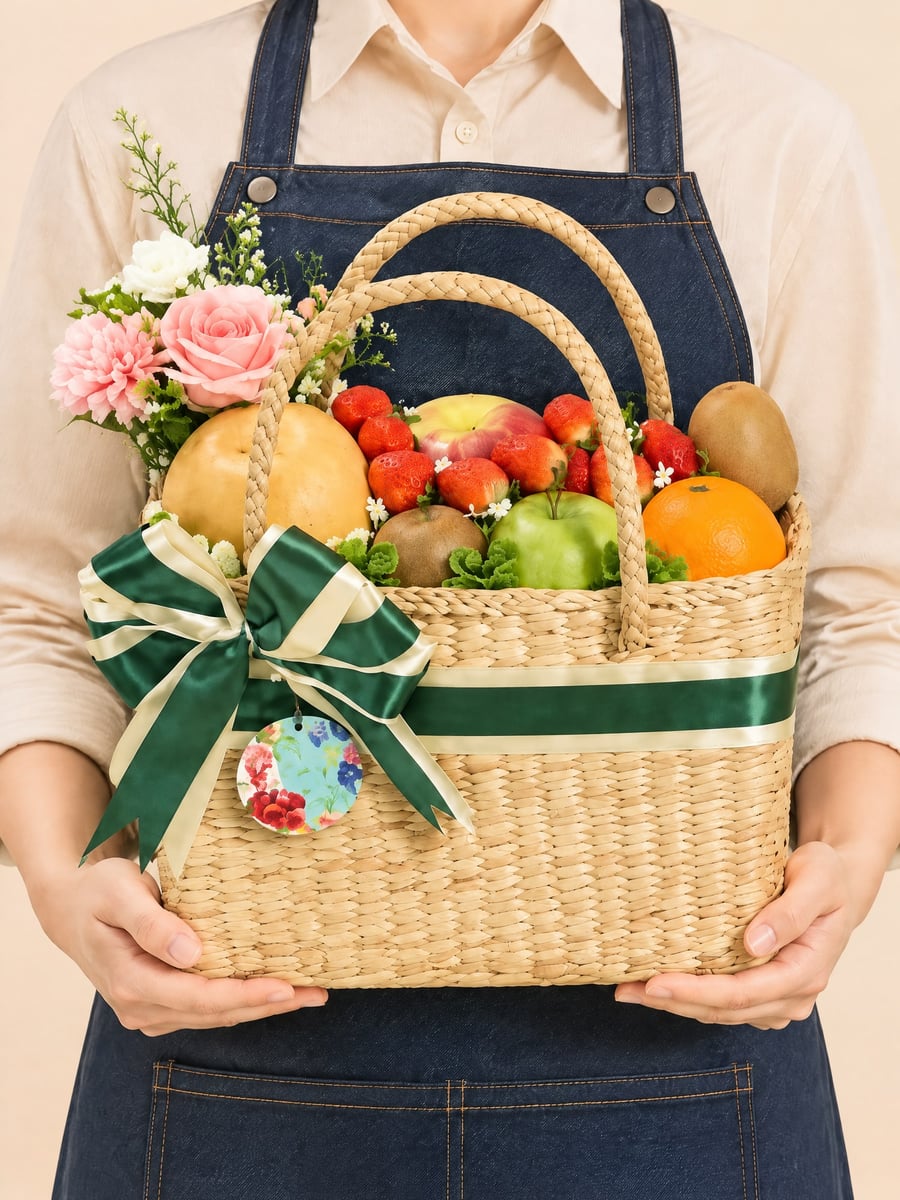
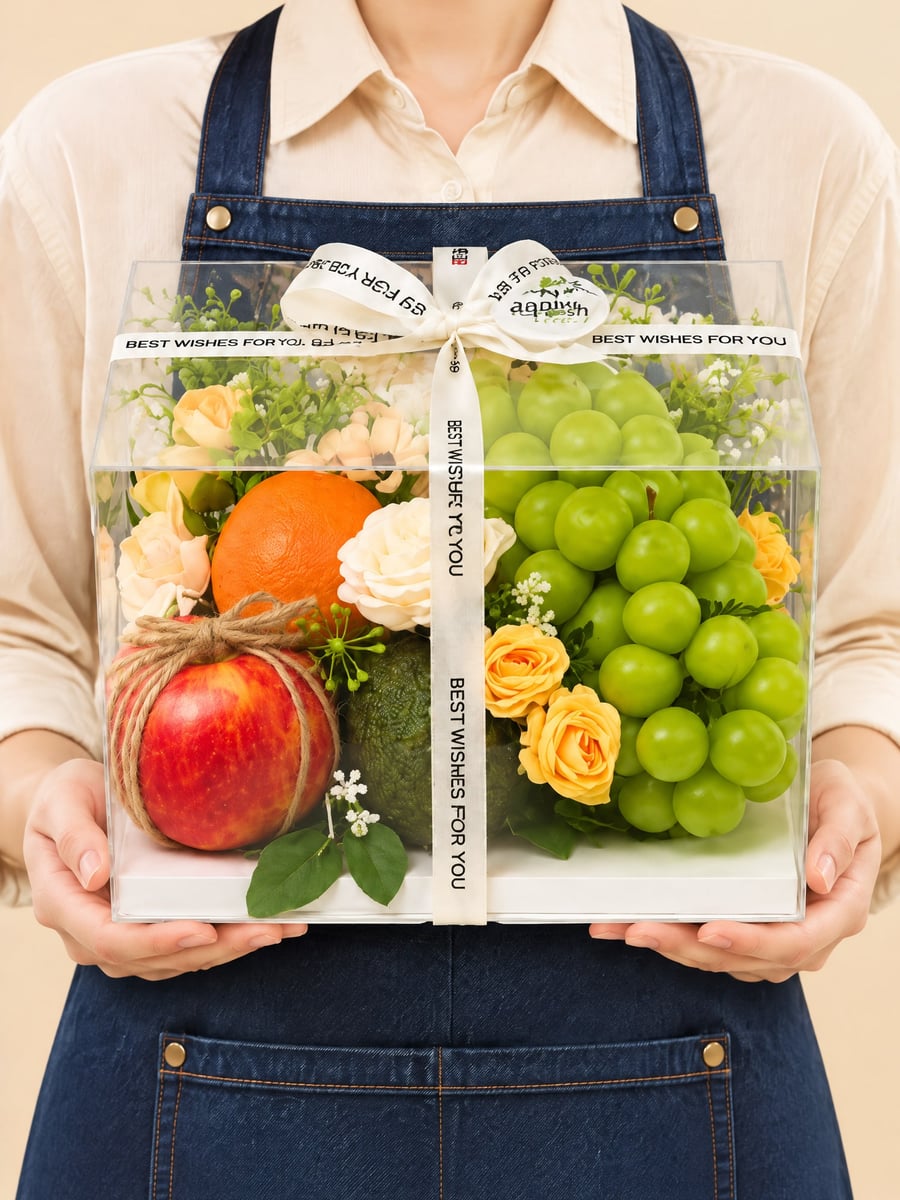
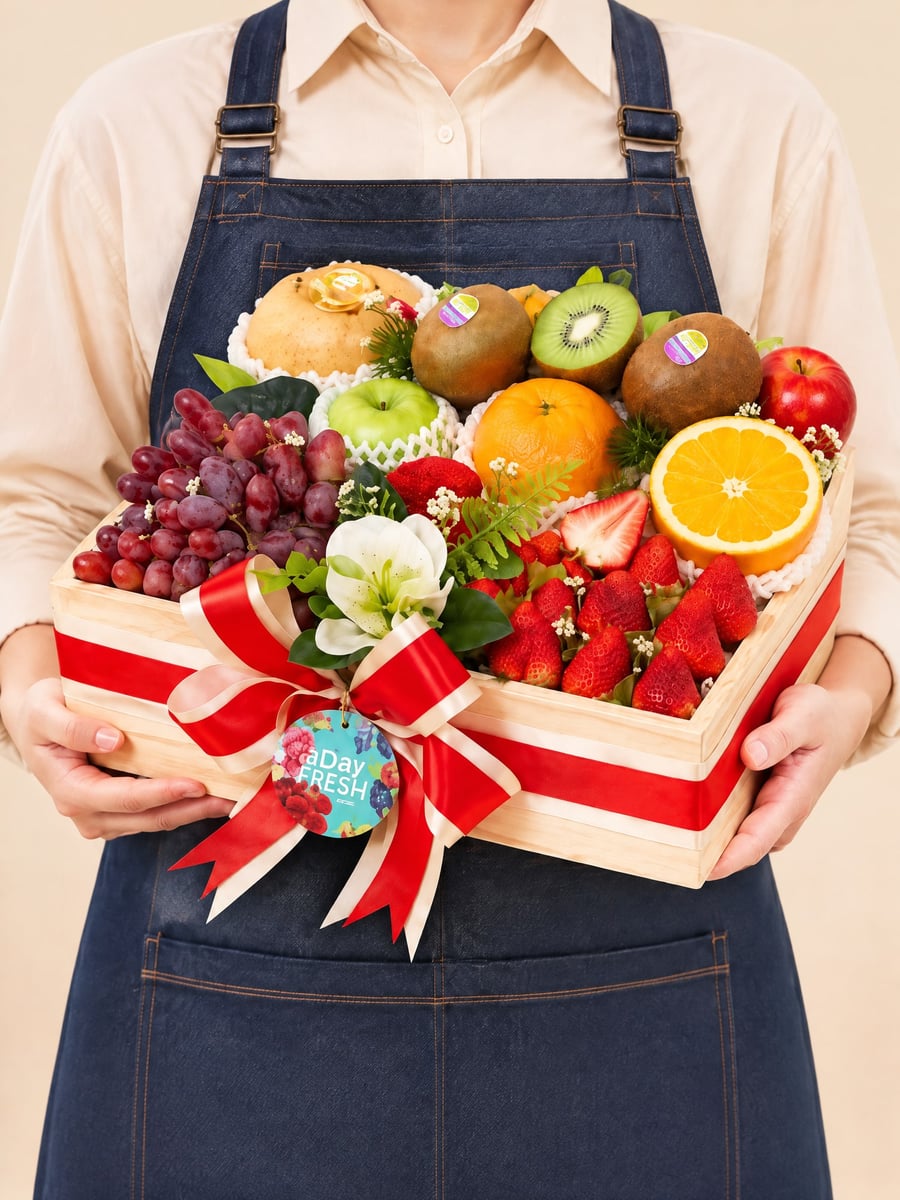
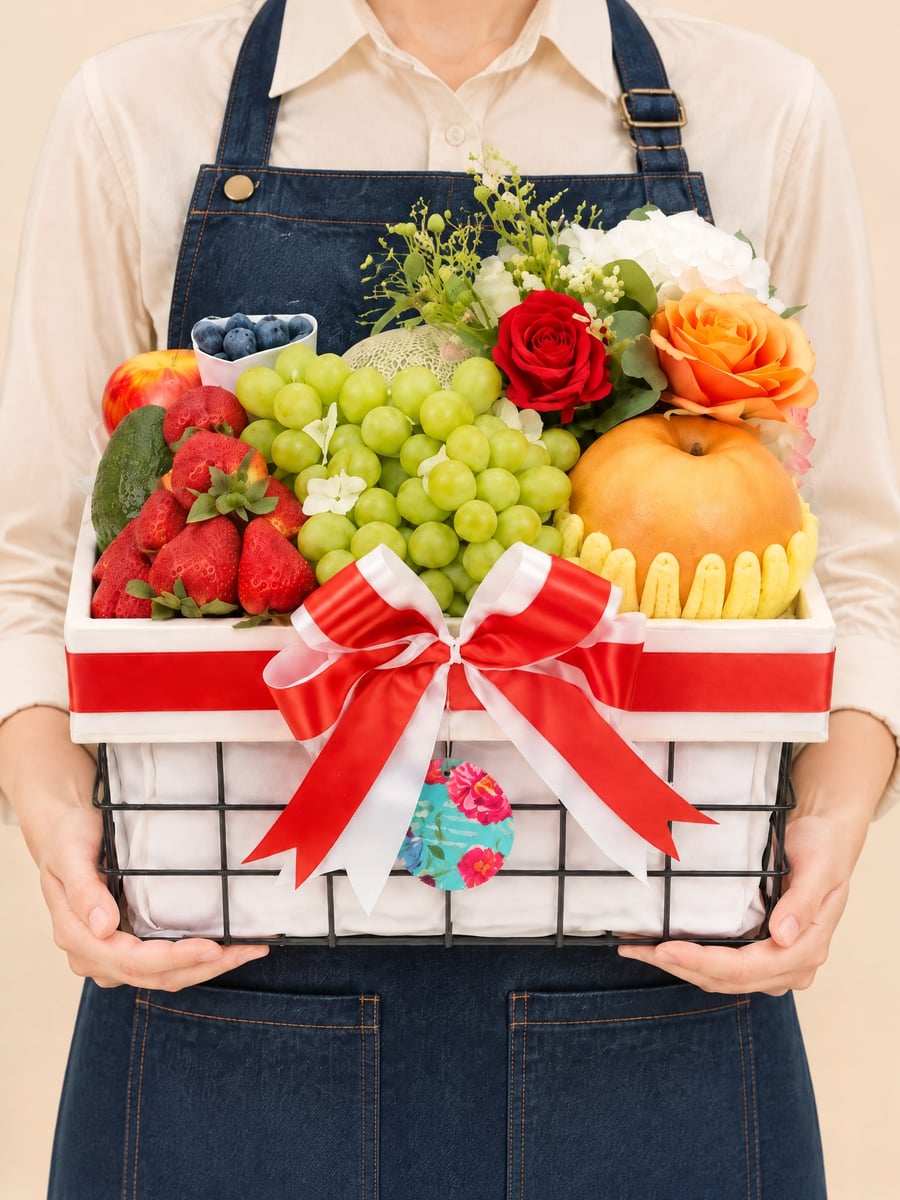
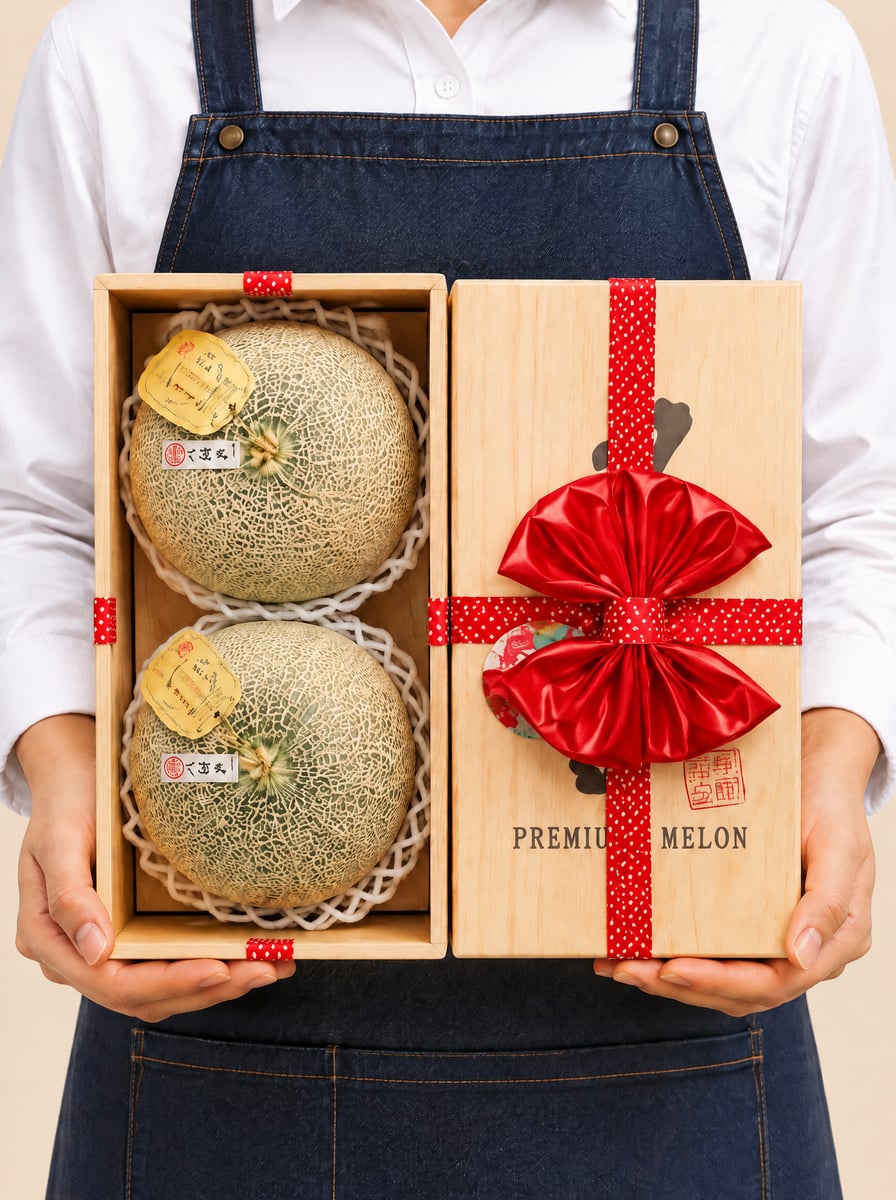
At aDay Fresh, we select premium seasonal strawberries from both Japan and Korea during the cool season for our fruit boxes and gift baskets, with express delivery within 3 hours across Bangkok. A box of Japanese strawberries is a gift people always remember.
Order now — browse all gift baskets, arranged fresh on delivery day, with free delivery on orders of 3,000 THB or more. Need it there today? See fruit basket delivery in 3 hours — express delivery across Bangkok and nearby provinces.