





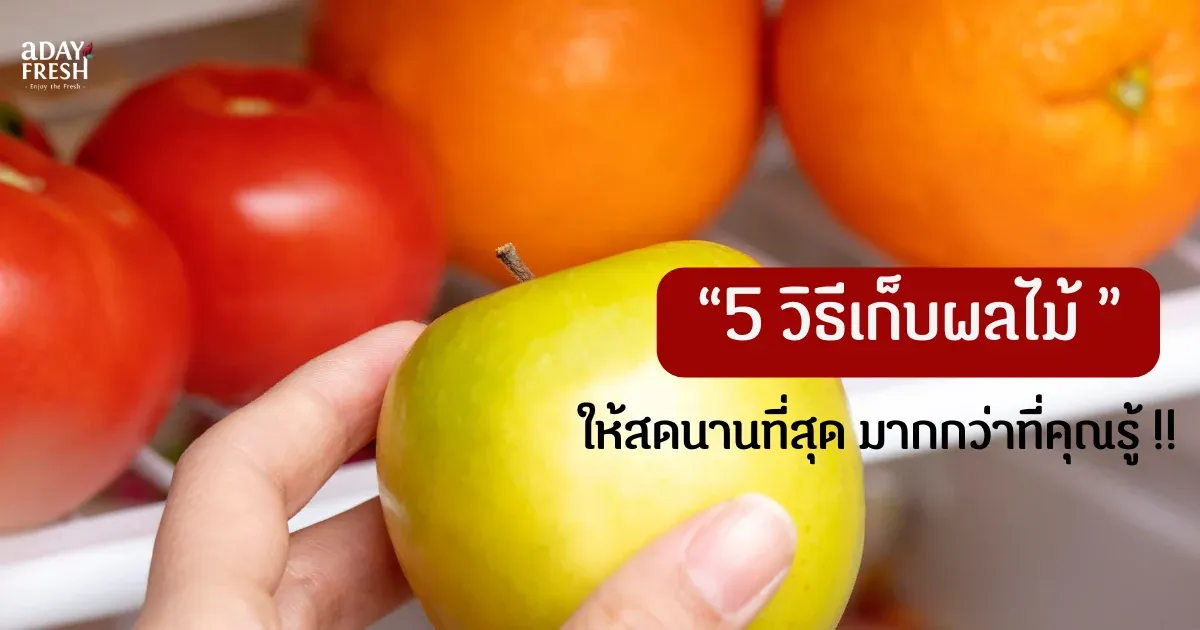

Fruit comes in endless variety, is packed with vitamins and is an important part of a healthy diet. Keeping it fresh, though, can be surprisingly tricky. To help you get the most out of it, here are 5 ways to store fruit so it stays fresh longer.
Recommended reading: 4 reasons to order ready-to-eat fruit from us | aDay Fresh
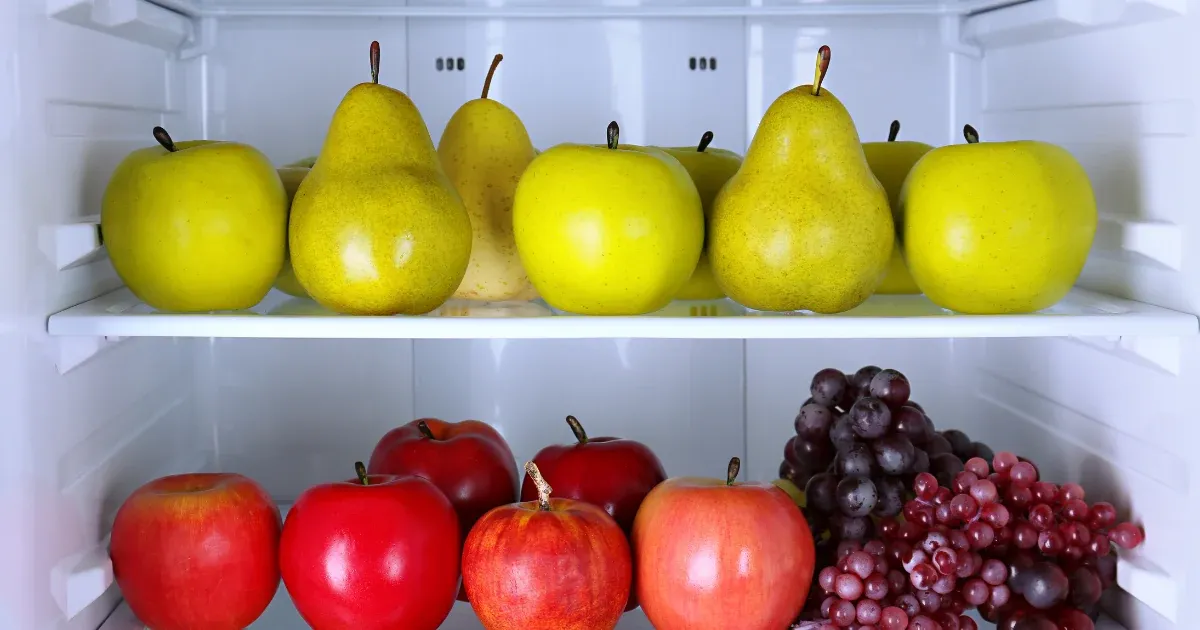
How Long Does Fruit Keep?
How long fruit keeps depends on the type of fruit and how you store it, so there’s no single answer. Some fruits last for weeks or even months, while others spoil much sooner. Bananas and apples, for example, keep longer than strawberries or mandarin oranges.
Keeping fruit fresh as long as possible mostly comes down to a few simple habits: store it somewhere cool and dry, don’t wash it in advance and pick fruit that’s just ripe and undamaged. Even so, it’s always worth checking your fruit regularly by sight and touch, so you can spot problems early and avoid unnecessary waste. As a general guide, fruit keeps roughly as follows:
Fruit that keeps for more than 1–2 weeks: strawberries, apples, bananas, oranges, papaya and tomatoes
Fruit that keeps for more than 3–4 days: Cavendish bananas, papaya, Fuji apples, peaches, pears and mangoes
Fruit that keeps for more than 1–2 days: strawberries and mandarin oranges
This is only a rough guide. How long your fruit stays fresh also depends on storage conditions, how it’s handled and whether you follow the methods above.
5 Ways to Store Fruit
1. Keep Fruit in the Fridge or a Produce Chiller
The fridge can help fruit stay fresh longer, as long as you give it the right conditions.
- Keep fruit away from damp, humid spots, and don’t store more than you need.
- Arrange fruit neatly, ideally in plastic bags, so pieces don’t knock against each other.
- Sort fruit by how delicate it is, starting with anything yellowing or very ripe, and keep track of use-by dates so you eat it while it’s at its best.
- Keep fruit away from anything with a strong smell, or it may pick up the odor.
2. Don't Wash Fruit Ahead of Time
Leaving fruit unwashed when you bring it home helps it stay fresh. Washing it right away can leave moisture on the skin, which makes it lose its freshness faster. Instead, store it somewhere dry and well ventilated, and wash it just before eating to remove dirt and any residues on the surface. This matters most for fruit you eat with the skin on, such as apples or strawberries: wash these thoroughly to reduce the risk of germs and residues.

3. Choose Fruit That's Just Ripe
If you want fruit to last, it pays to choose pieces that are only just ripe. Just-ripe fruit loses its nutrients more slowly than fully ripe fruit, so it holds its quality and freshness for longer. Its cell structure isn’t fully developed yet, and its nutrients haven’t yet been converted into other compounds, so changes and losses happen more slowly.
Fruits you can buy slightly underripe to keep longer include Cavendish bananas that aren’t fully ripe, strawberries that are still a little green, and mangoes. Look for fruit that’s starting to ripen but isn’t quite there, and store it somewhere with good airflow and the right humidity so it stays in good condition longer.
4. Store Somewhere Cool and Dry
Keeping fruit somewhere cool and dry is a good way to keep it fresh for longer, because low temperatures and low humidity reduce oxygen activity and slow down spoilage. That’s why a fridge or produce storage unit is the best option for keeping fruit in good condition over time.
A dry, well-ventilated spot also cuts down on moisture and prevents early mold, helping fruit keep its quality and freshness longer without rotting prematurely. That said, the ideal storage temperature varies from fruit to fruit, so check what each type needs and adjust the temperature accordingly to keep it at its best.
5. Don't Store Fruit and Vegetables Together
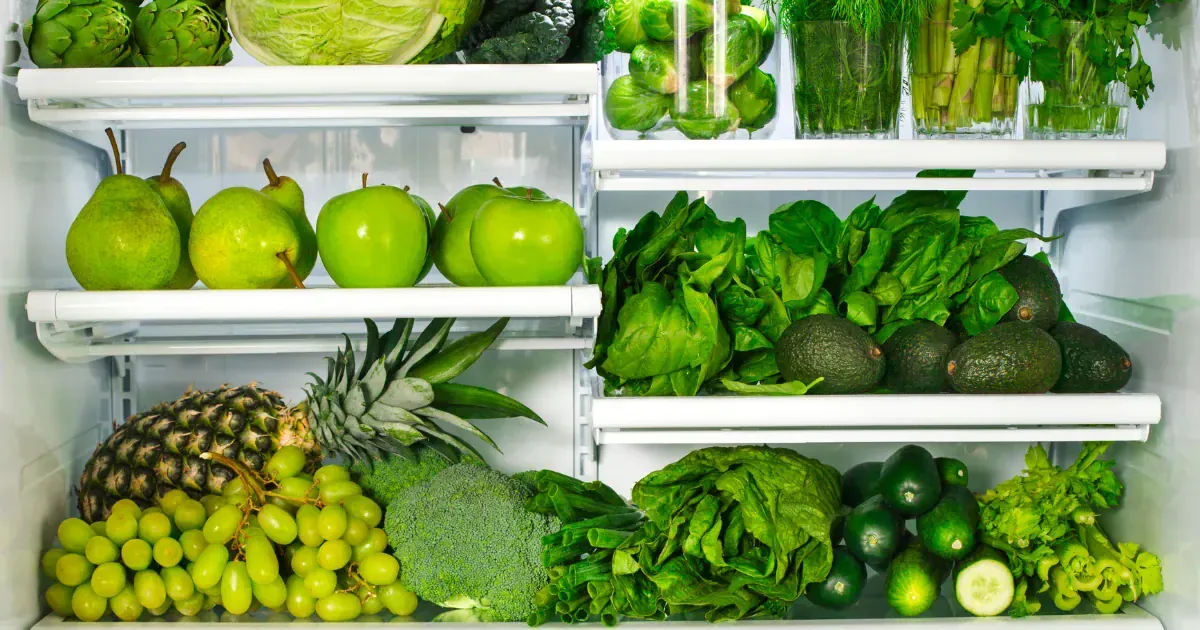
Storing fruit and vegetables together makes them spoil faster. Many fruits release ethylene gas, which speeds up ripening and can also cause nearby fruit and vegetables to go bad. Keeping them in separate drawers in the fridge, or in separate containers, reduces how much of that ethylene reaches your vegetables, so they’re less likely to bruise or rot.
It also helps not to pile fruit and vegetables on top of each other. Stacking can squash produce and damage its structure, leaving it bruised, so storing it unstacked is an important part of keeping it fresh.
The Bottom Line
Following these methods will help your fruit last longer with as little spoilage as possible. The main reason fruit loses its freshness is moisture, which makes it deteriorate quickly. Fruit and vegetables also differ in how much moisture and gas they give off, so storing them the wrong way, or washing them before storing, can make them go bad faster.
Stick to these methods and your fruit will stay fresh longer, with far less waste over time. Just remember to check on it regularly so nothing spoils before you get to eat it.
Sources: UnlockFood.ca · Electrolux · Real Simple · NYT Wirecutter