





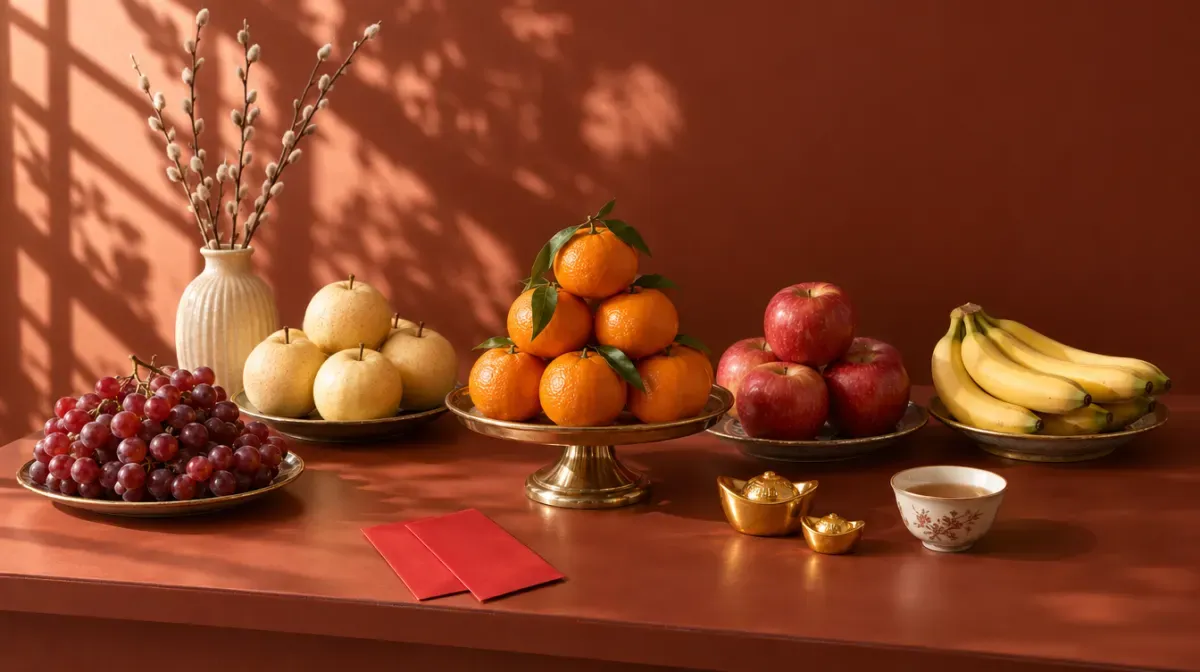
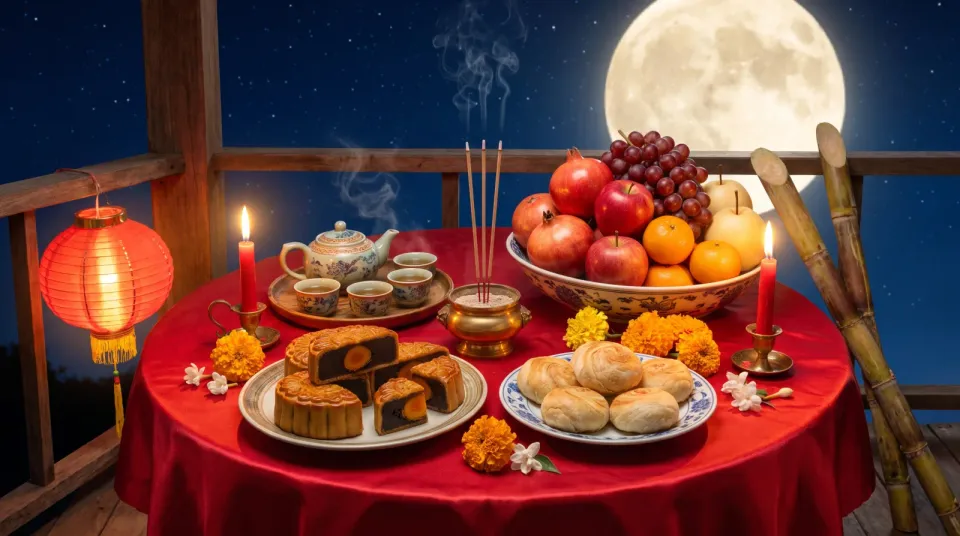
The five most popular Chinese New Year offering fruits are oranges, red apples, bananas, grapes and pears, each with its own auspicious meaning, from good fortune and peace to descendants who carry on the family line. In 2027, the Chinese New Year offering day falls on Friday, February 5. This guide covers what each fruit means, how to pick fruit that’s fresh, good-looking and auspicious, which extras to add for a full set of nine, and which fruits to avoid.
When Is Chinese New Year 2027?
Chinese New Year marks the start of the year on the Chinese lunar calendar, so the date changes every year. 2027 is the Year of the Goat. Thai-Chinese families traditionally observe it over three days:
| Day | Date | What happens |
|---|---|---|
| Shopping day (Wan Jai) | Thursday, Feb 4, 2027 | Shopping for offerings: fruit, savory dishes, sweets, plus gold and silver joss paper |
| Offering day (Wan Wai) | Friday, Feb 5, 2027 | Offerings to the household guardian spirit in the morning, the ancestors in the late morning, and wandering spirits in the afternoon |
| Visiting day (Wan Tiao) | Saturday, Feb 6, 2027 | Chinese New Year’s Day: wishing elders well, receiving red envelopes (ang pao) and visiting relatives |
The fruit goes on the table first thing on offering day, so buy it or have it delivered by shopping day, or arrange delivery to your home on the morning of offering day itself. It’s the busiest time of year for fruit shops, so order ahead to get good-looking fruit in every variety you need.
The 5 Essential Chinese New Year Offering Fruits
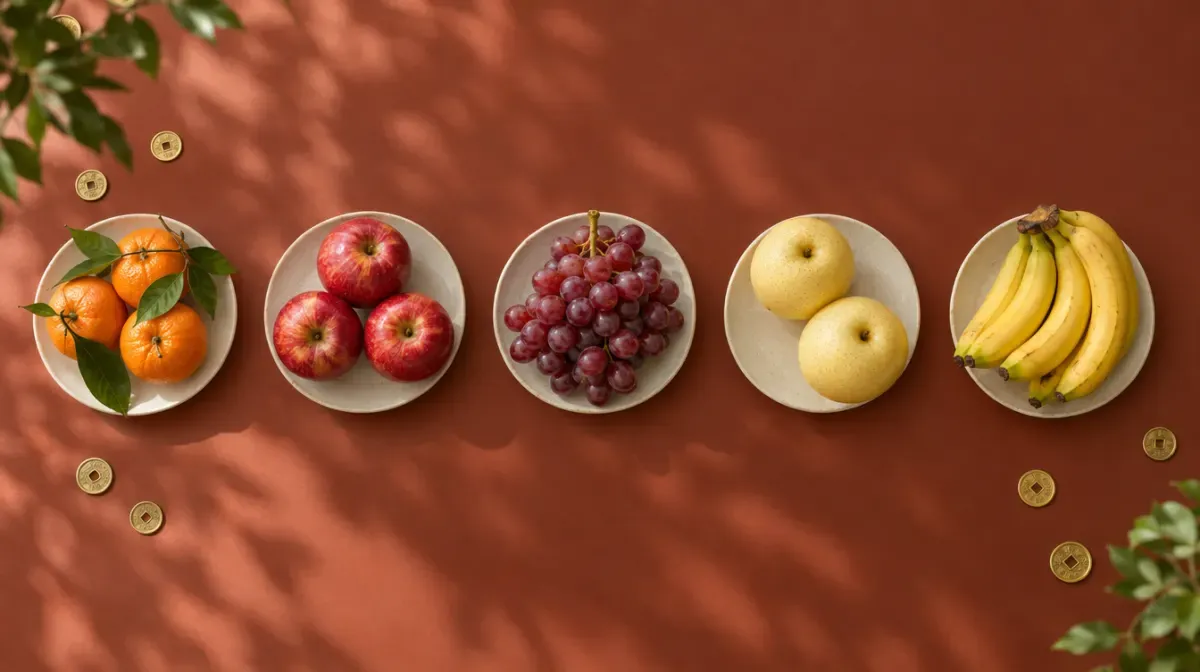
1. Oranges: Good Luck and Money Flowing In
Oranges are the number one auspicious fruit for the Chinese New Year offering table. Their golden color stands for wealth, and in Teochew the word sounds like “good luck,” which is why Chinese families offer and give oranges around the new year.
How to choose: smooth skin with no soft spots, a nicely round shape, an even golden-orange color, and ideally a stem with green leaves attached, which looks fresh and is considered lucky.
2. Red Apples: Peace and Safety
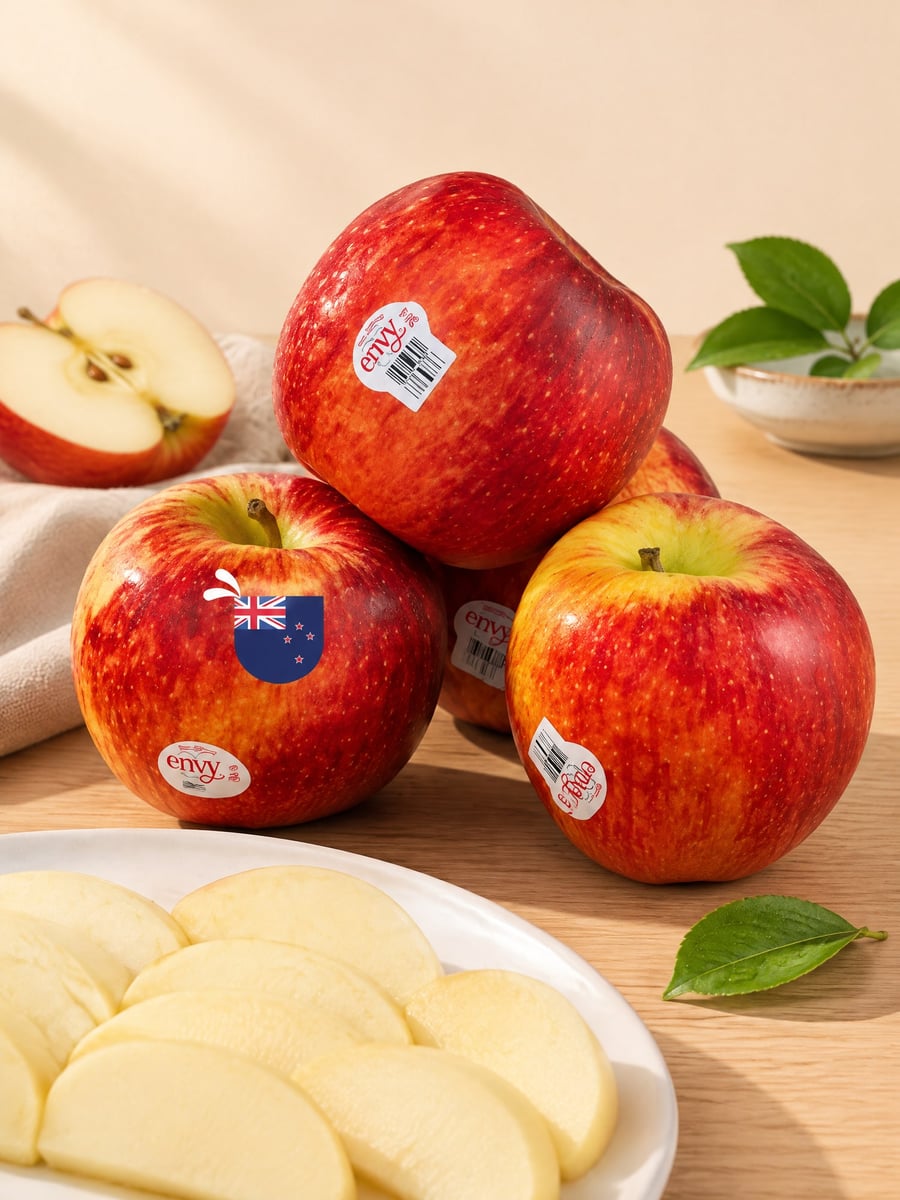
In Chinese, the word for apple sounds like “ping,” meaning peace and safety, so apples stand for a calm life and a happy, harmonious family all year long.
How to choose: pick apples that are bright red all over, with no insect marks or bruises. Apples of a similar size look neater when lined up.
3. Bananas: Descendants and Growing Fortune
Bananas grow in hands and bunches and keep sending up new shoots, so they symbolize descendants to carry on the family line and fortune that keeps growing. They’re usually offered as a whole hand.
How to choose: a neatly formed hand with smooth skin free of black spots, just ripe, since it will sit on the offering table for hours.
4. Grapes: Abundance and Getting Ahead
Grapes clustered in a bunch stand for abundance, a close-knit family and career progress. Red grapes are the favorite, since red is a lucky color.
How to choose: a tight bunch that doesn’t shed grapes, with even, vivid color, green stems and no shriveled grapes hidden inside.
5. Pears: Smooth Sailing and Stability
Pears stand for smooth progress and stability, and are popular for joyful occasions like Chinese New Year. (Some families avoid them at funerals, because the word sounds like “parting.”)
How to choose: large pears with smooth, even golden skin that feel firm and have no bruises. Korean snow pears are a popular choice because they’re big and beautiful.
| Fruit | Meaning |
|---|---|
| Oranges | Good luck, money flowing in |
| Red apples | Peace and safety |
| Bananas | Descendants to carry on the family line, growing fortune |
| Grapes | Abundance, getting ahead |
| Pears | Smooth sailing, stability |
Making a Set of 6 or 9: Which Fruits to Add
The number of fruit varieties is usually a lucky number: 3, 5 or 9. Six is fine too, and some families see it as a sign of things going smoothly. To go beyond the basic five, popular additions are:
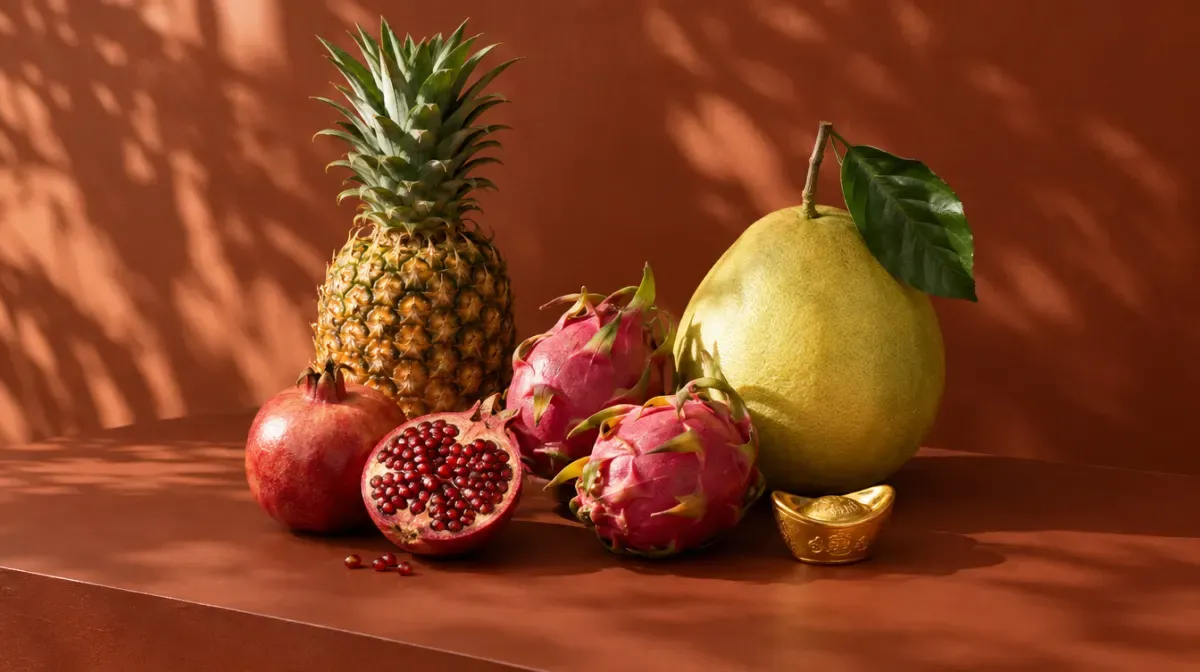
- Pineapple: in Hokkien, its name sounds like “good fortune arrives.”
- Dragon fruit: its name and red color evoke the power of the dragon, good luck and prestige. (Pick ones with no dents in the skin, as the flesh inside will be bruised.)
- Pomegranate: its many seeds stand for a house full of children and grandchildren.
- Pomelo: big and round, it represents abundance, happiness and family harmony.
For the meaning of every auspicious fruit and the full set of nine, see Auspicious fruits explained.
Fruits to Avoid on the Chinese New Year Offering Table
- Fruits whose Thai names sound unlucky, according to long-held belief, such as sapodilla, mangosteen, langsat, salak and Indian jujube.
- Spiky fruit like durian, believed to represent obstacles.
- Bitter or dark-colored fruit, which some families avoid as a symbol of bitterness and hardship.
- Bruised, overripe or blemished fruit of any kind, which is seen as disrespectful to the deities and ancestors.
These beliefs vary from family to family and region to region. If your household has its own traditions, follow what the elders say. Wondering whether fruits like rambutan or papaya are okay to offer? Read The meaning of popular Chinese New Year offering fruits.
Why Offer Four Oranges?
The four-orange custom comes from the Teochew Chinese, the largest group among Thai-Chinese families. Three reasons have been passed down:
- In Teochew, orange is “gik” (as in “tai gik”), which sounds like the word for good luck, making oranges the centerpiece of every offering table.
- Four oranges honor the four seasons and stand for plenty and prosperity all year round.
- The “pai jia” custom: when visiting elders to wish them a happy new year, guests bring four oranges. The host keeps two and gives back two of their own, so both sides share the luck. That’s why the number has to split evenly.
You may have heard that the number 4 sounds like “death.” That’s true in Mandarin, but it doesn’t apply to offering oranges. If it still bothers you, use eight instead: 8 sounds like “fa,” meaning to prosper. Twelve oranges, meanwhile, stand for a loving, close-knit family.
How to Arrange Offering Fruit for Beauty and Good Luck
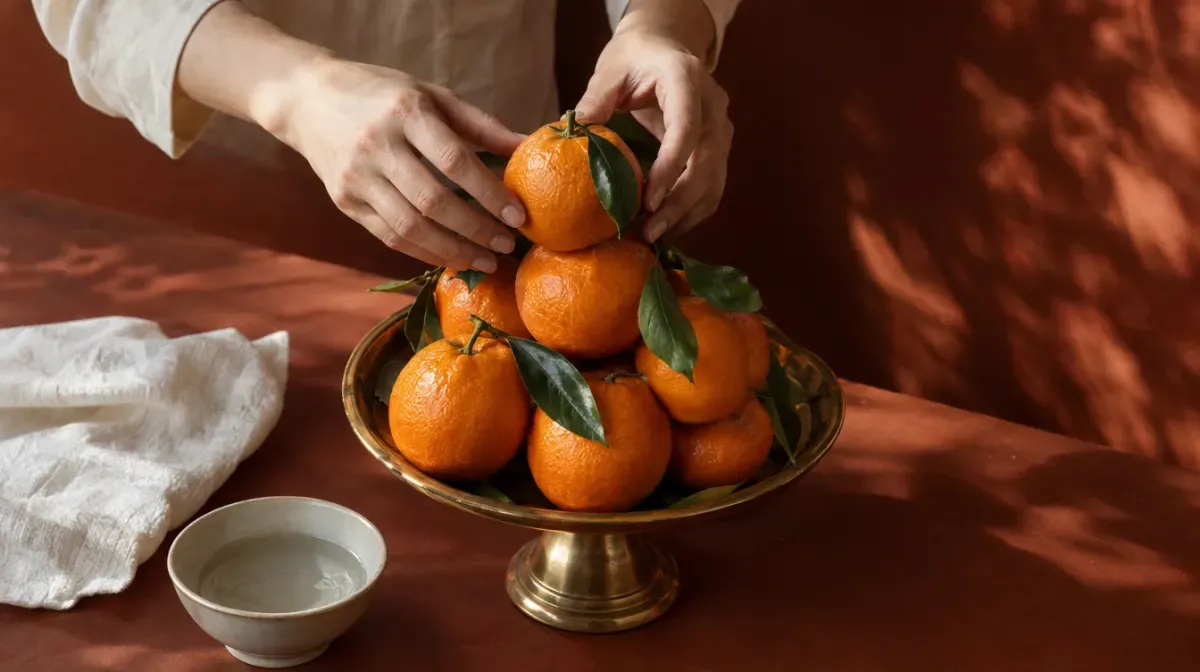
- Use even numbers of each fruit, such as 4 or 8 oranges and 4 apples, because Chinese tradition holds that good things come in pairs. The number of varieties, on the other hand, is usually odd: 3, 5 or 9.
- Wash and dry the fruit before arranging it so it looks glossy and lasts longer on the table.
- Stack it in tiers on a footed tray or raised plate, with larger fruit at the bottom and smaller on top. Oranges are traditionally stacked in a pyramid.
- Give each kind of fruit its own plate so the table looks tidy and you can move each one easily between rounds of offerings.
Order Ready-to-Offer Chinese New Year Fruit, Delivered to Your Door
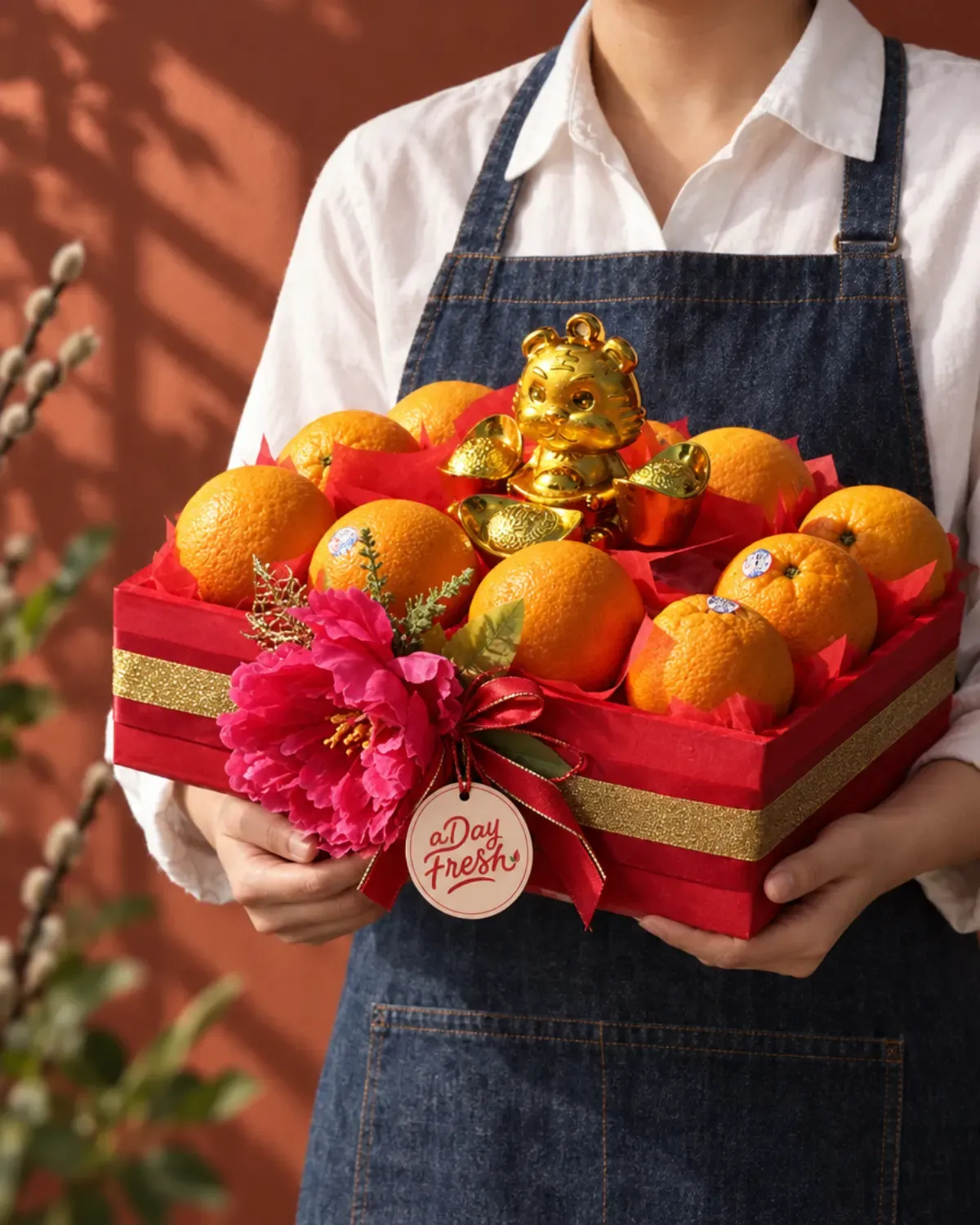
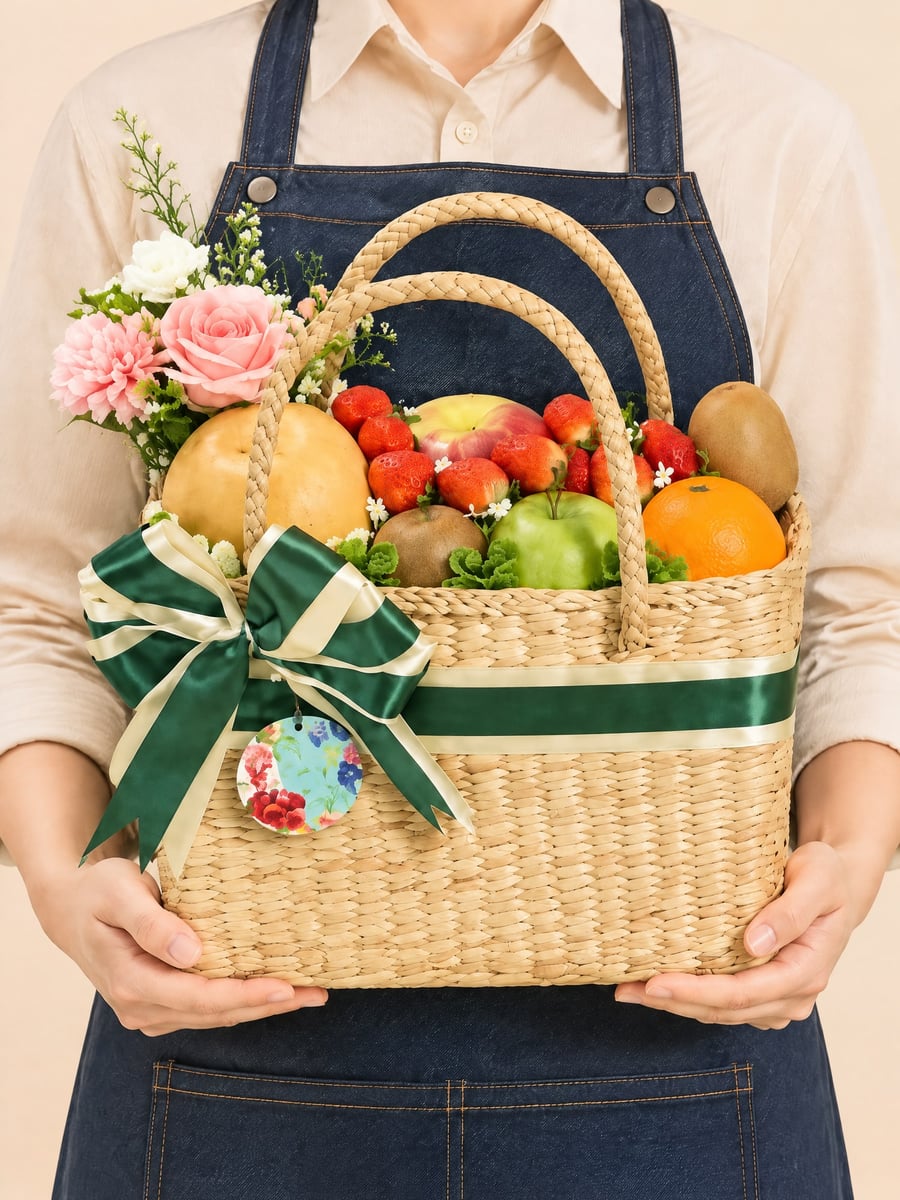
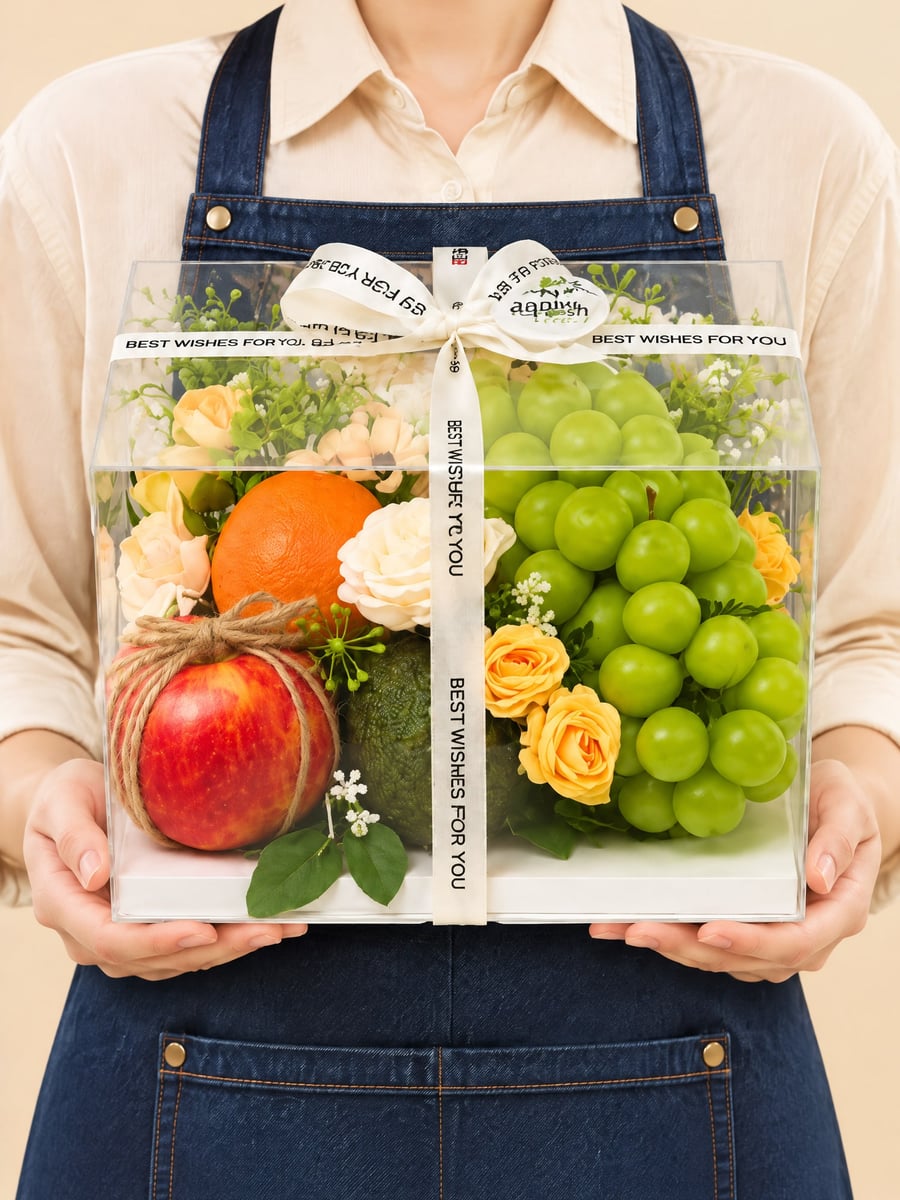
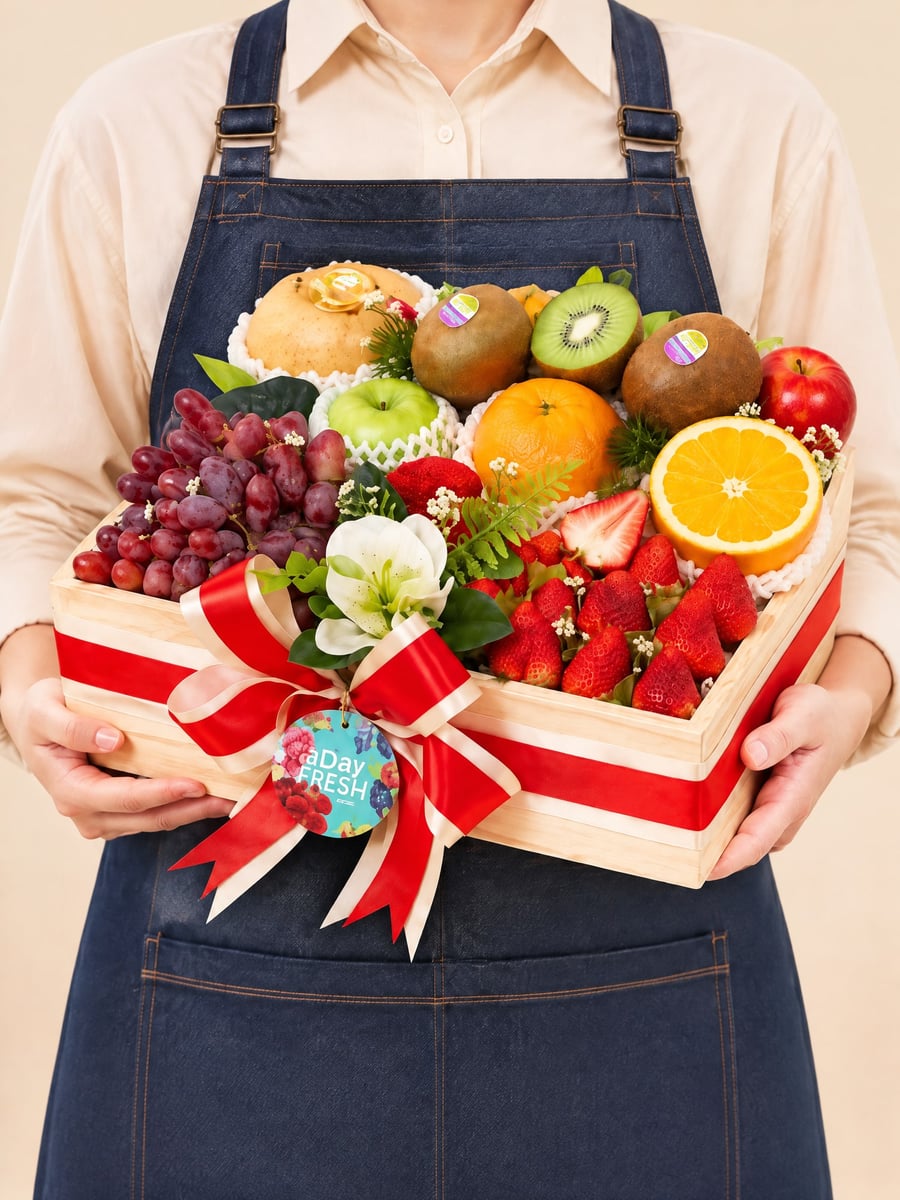
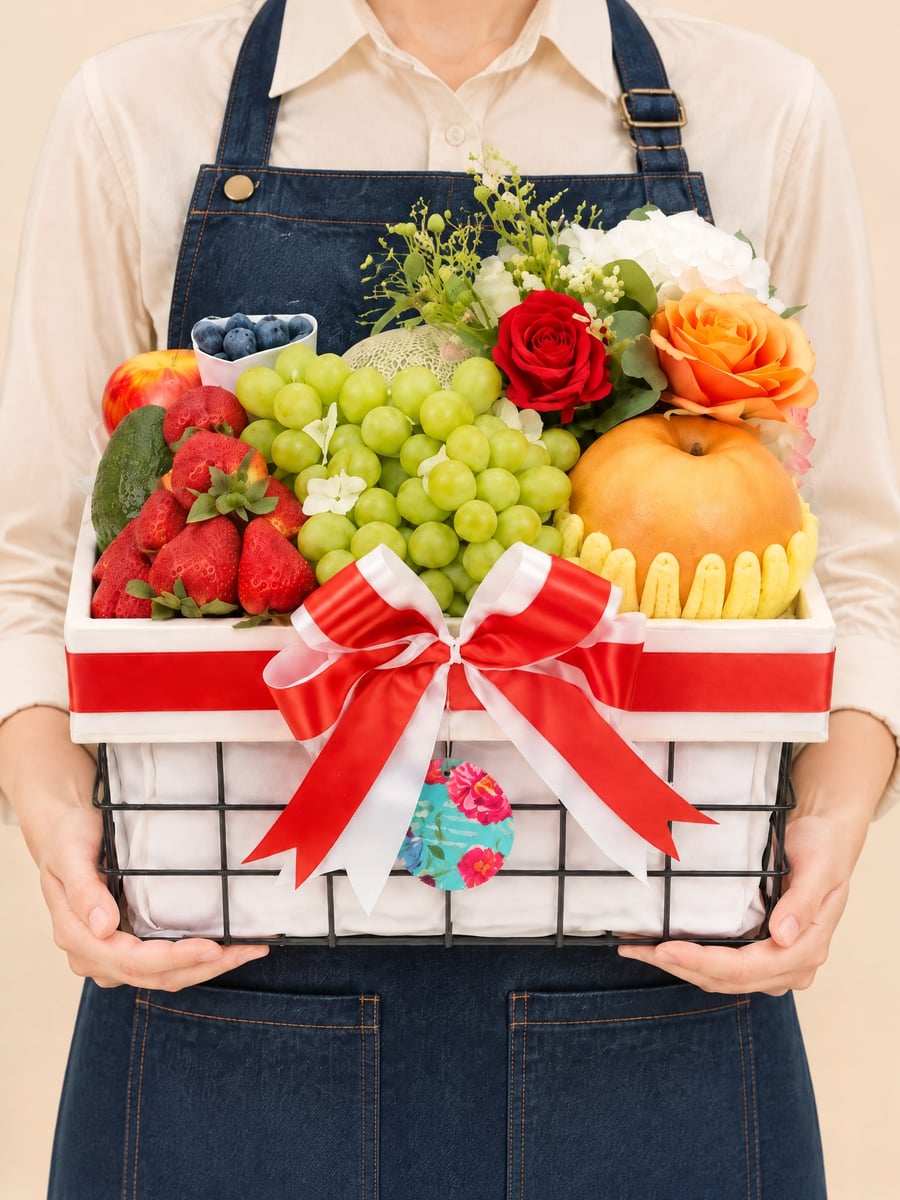
If you’d rather not pick through fruit one piece at a time in a packed market on shopping day, aDay Fresh puts together Chinese New Year baskets using only fruit with auspicious meanings. Each basket is arranged fresh on delivery day, ready to go straight onto the offering table.
- Successful: a small set, ideal for the household shrine or as a gift for relatives
- Lucky All Year: a medium set with the full range of auspicious meanings
- Be Safe: a “safe all year” basket for offerings or for elders
- More Than Enough: a large set for the ancestral offering table
Around Chinese New Year, order ahead and pick a delivery date and time so your basket arrives before the offerings begin. We offer express delivery within 3 hours across Bangkok and the surrounding provinces, with free delivery on orders of 3,000 THB or more.
Sources: myhora: Chinese Calendar 2027 · Kapook: Important Days 2027 · Thairath: Chinese New Year Offering Fruits · Thai PBS: The Meaning of Giving Oranges